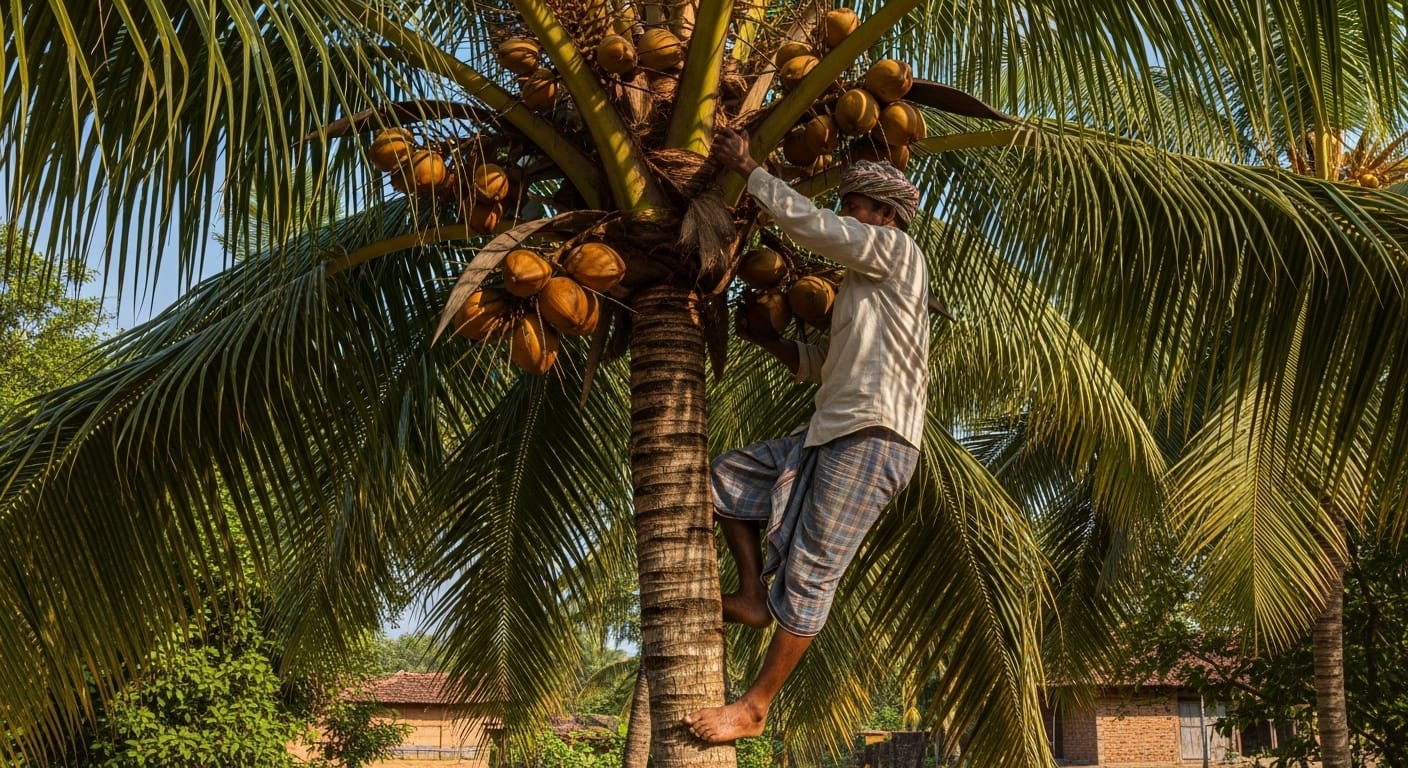
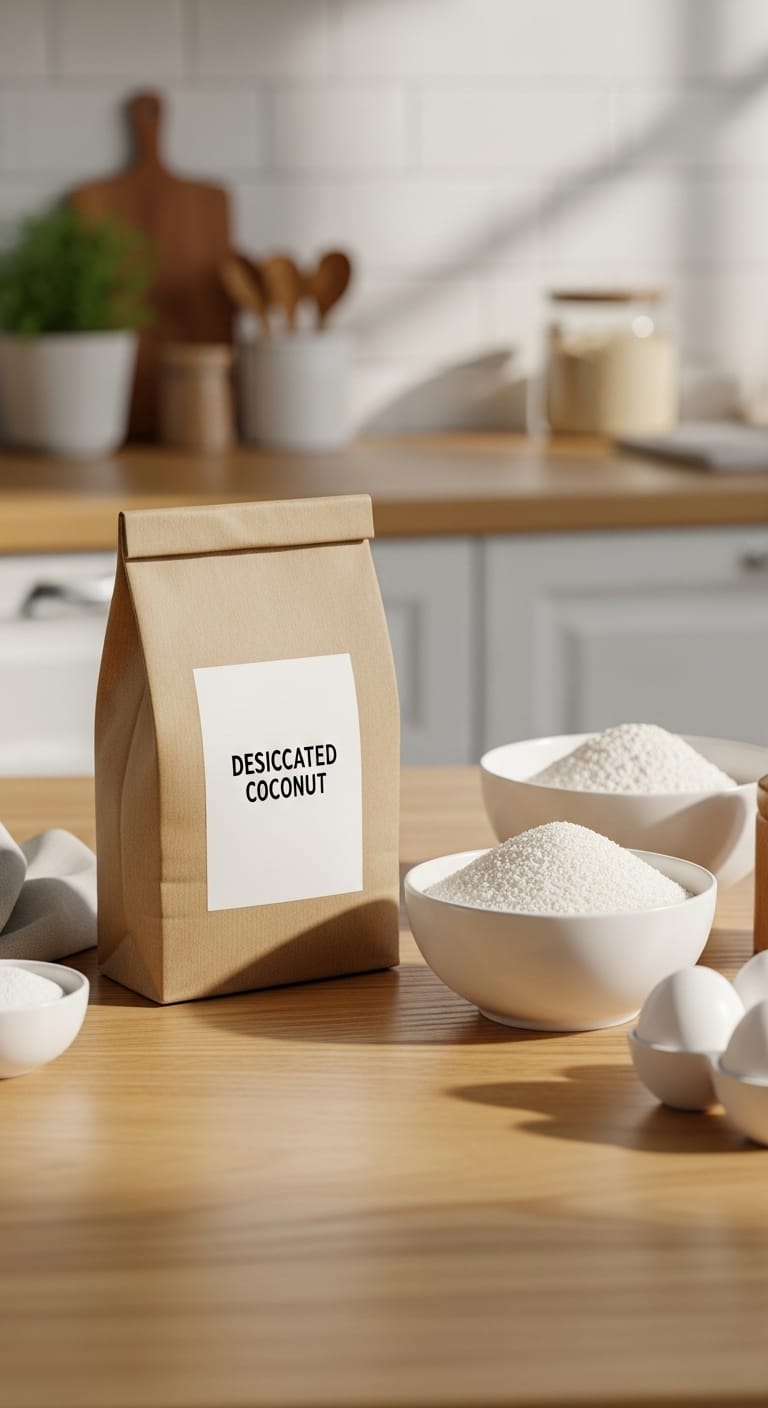
Desiccated coconut is the white meat of mature coconut that has been grated or shredded, then dried under hygienic conditions — resulting in a dry, crumbly coconut product. It retains much of the nutritional value of fresh coconut, including healthy fats, fiber, and minerals. It’s widely used in baking and confectionery (cakes, cookies, biscuits), as well as in cooking and as a topping or ingredient in both sweet and savory dishes. coconutcommunity.org
A Leading Choice in the Global Market
Indonesia is widely recognized as one of the world’s most important producers of desiccated coconut, supplying international markets with products known for their purity, consistency, and natural tropical flavor. With its rich coconut-growing regions and long-established processing industry, Indonesia has built a strong reputation as a reliable and competitive source for high-quality coconut ingredients. Read more
1. Why Indonesia Is a Top Supplier of Desiccated Coconut
Indonesia’s tropical climate and fertile soil create ideal conditions for cultivating mature coconuts with naturally high oil content. This raw material advantage produces desiccated coconut with a clean white color, fresh aroma, and excellent flavor profile. Buyers around the world appreciate the product’s stability, quality, and compliance with international food standards.
Furthermore, Indonesian processors use modern technology, hygienic facilities, and strict quality control systems. The result is a desiccated coconut product that is safe, consistent, and suitable for a wide range of food industries.
2. Types of Desiccated Coconut Produced
Indonesia produces several varieties to meet diverse market needs:
High Fat Desiccated Coconut
Known for its rich flavor and creamy aroma, ideal for premium bakery and confectionery products.
Low Fat Desiccated Coconut
Preferred for cereal, snack, and health-oriented products where lower fat content is needed.
Fine, Medium, and Extra-Fine Grades
Each grade offers different textures for specific applications, from biscuits to desserts and ready-to-eat foods.
3. Applications in the Global Food Industry
Desiccated coconut from Indonesia is widely used in:
Bakery: cakes, cookies, pastries, and bread
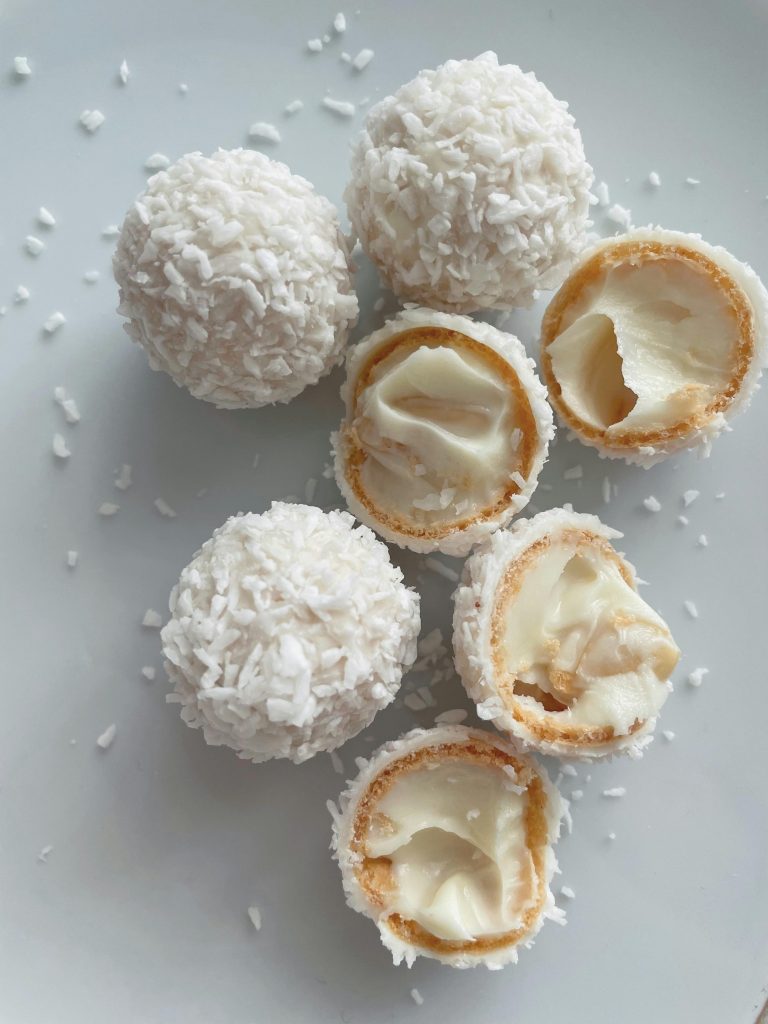
Confectionery: chocolates, fillings, and candies
Cereals & granola bars
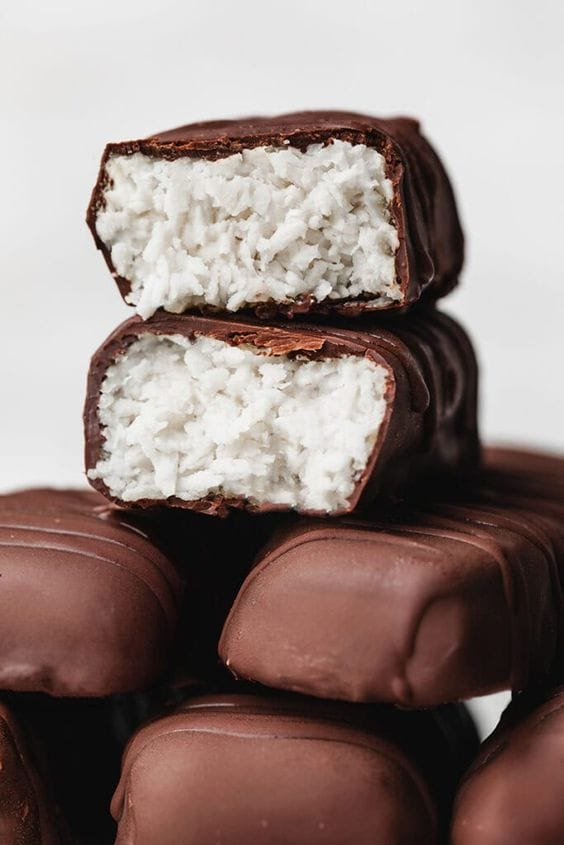
Its versatility makes Indonesian desiccated coconut a valuable ingredient across multiple sectors.
4. Consistent Supply and Competitive Pricing
One of the key reasons global buyers prefer Indonesia is its strong and stable supply chain. With extensive coconut plantations and established processing facilities, Indonesia can meet large-volume orders throughout the year. Combined with competitive pricing, this makes Indonesian desiccated coconut an attractive option for long-term partnerships.
5. Commitment to Global Standards
Indonesian manufacturers prioritize:
Food safety certifications (HACCP, ISO, Halal, Kosher)
Strict hygiene and moisture control
Modern drying and processing technology
Sustainable sourcing and responsible production
This commitment ensures that each shipment meets the high expectations of international buyers.
6. A Reliable Partner for Global Markets
As demand for coconut-based ingredients continues to grow worldwide, Indonesia remains one of the most trusted suppliers of desiccated coconut. Its combination of raw material excellence, production expertise, and competitive value positions the country as a preferred choice for businesses in Asia, the Middle East, Europe, and the Americas.
Whether for bakery operations, confectionery lines, or large-scale food manufacturing, desiccated coconut from Indonesia delivers quality, reliability, and premium tropical freshness that global buyers can depend on.